The former Nerazzurri striker analyzes the team’s current situation from California: “El Toro is a blessing, never a problem. And let Pio Esposito make his mistakes”
There in California, sitting peacefully at a table in a (strictly Italian) café while the temperature hovers at 24°, Jürgen Klinsmann seems a world away from the icy Madrid wind that battered his Inter on Wednesday night. The former German star of the Nerazzurri, however, immediately offered his optimistic forecast over the phone: “The sun will shine very soon on Cristian Chivu’s team as well—from the coach to the undisputed captain.”
All right, Klinsmann, but then the same old story always plays out on the field: Inter plays well, but…
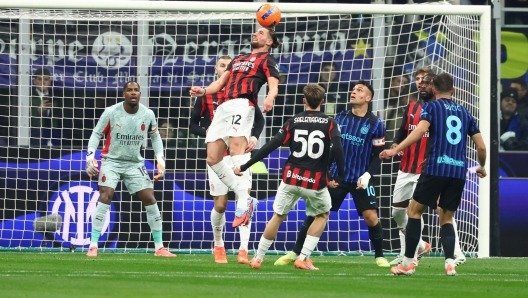
“I watched the entire derby; I caught up on the Madrid match later, because I was commentating on ESPN for Arsenal vs. Bayern and PSG vs. Tottenham. It seems to me that, results aside, the team is there, in every respect. They have a clear plan on how they want to attack with a lot of players. The match against Atlético wasn’t all that different from the one against Milan: Inter almost always plays better than the opponent, creates chances, wastes them, but concedes a goal on the first counterattack or, even worse, on a set piece.”
But can this really just be a coincidence?
“We’re always in the mix; it all comes down to a mental game, and now is the time to bounce back. It’s not a problem with the quality of the players, training, or tactics—I trace it all back to small mental details. At certain moments, especially on set pieces, you have to be aggressive and focused enough: if you lose your concentration at the most crucial moment, you lose games like the one at the Metropolitano.”
Your former teammate Aldo Serena, commenting on the goal conceded to Atlético in stoppage time, said that center forwards like you would have had a field day against Chivu’s zone defense.
“Aldo’s right; the zone defense does ‘invite’ the attacker a bit—who comes from behind and catches the opponent off guard—but that can’t be the one and only explanation for the goal. Here, too, the problem is more about mentality than system: if you play zone defense but your defenders move, anticipate, press the ball, and mark the man within their space, you can still do an excellent job and avoid taking risks.”
The style of play has, however, changed significantly: do you like it?
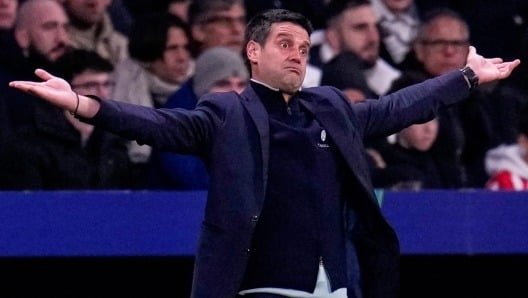
“I see a much more aggressive, proactive team—in a word… modern. Especially with this high press, you have to be quick to read individual situations first if you don’t want to concede chances. It’s true that this can lead to risks, as is happening now, but Inter is in the midst of a transformation: the coach is instilling in the players’ minds the conviction that they can control matches by playing this way. You find that balance over time—not in just a few months—when you figure out how to quickly cover your back after losing the ball.“
How do you assess Chivu’s performance over these past few months, though?
”Very, very positively. You can see he’s building something great, but he shouldn’t be judged by the number of losses, even if five might seem like a lot. The Serie A standings show that the top is within reach, and the Champions League standings indicate we can comfortably finish among the top 8. It’s not so bad… Above all, I like the way Chivu knows how to be direct: he doesn’t try to please anyone; he says what he thinks. Even when things go wrong, he doesn’t change; he doesn’t give up on the idea that the team should enjoy itself.”
But are you convinced that Italy is ready to understand this kind of thinking?
“It’s not a lack of determination, but rather clarity and depth of thought. Obviously, when results aren’t there, the players must also take responsibility when they miss scoring chances or make serious defensive errors. Chivu, however, goes beyond that Italian mindset where teams play to avoid defeat rather than to win. He aims for success and stays true to a proactive, cheerful style. Another thing I appreciate is that he’s not afraid to give young players a chance: Lennart Karl, the 17-year-old from Bayern who scored against Arsenal—in Italy, at best, he would have been sent out on loan.”
Speaking of young players, is it time for Pio to shine, even though he lost the ball in Madrid that led to Atlético’s goal?
“Let him make mistakes, but above all, let him play. It’s clear he has incredible talent and physical ability, but this is the moment when he shouldn’t be held back by anything or anyone. I see that Chivu keeps giving him playing time, and I hope that continues more and more, even though the competition is fierce, starting with Lautaro.”

The Argentine, however, has always been inconsistent.
“I know exactly how it feels when you give it your all and the ball just won’t go in. It happened to him in the derby and in the Champions League, where he was subbed out during the game. It might seem strange, given that we’re talking about the team’s icon, but it’s also a sign that Chivu doesn’t play favorites. It’s only natural for him to be angry after being subbed out, but the words ‘problem’ and ‘Lautaro’ don’t belong in the same sentence. We have to start with him; then Thuram—as well as Bonny and Pio—will step up to lighten his load. Maybe he’s feeling too much pressure, but he’s a blessing for Inter.”
In this defense, which sometimes falls short, his compatriot Bisseck is on the rise: will he succeed in his goal of making the World Cup?
“I hope so; he has everything it takes to play for the national team and start for Inter. In fact, now that Dumfries is out, why not use him as a winger too? With that speed and pace, what problems could he possibly have?”