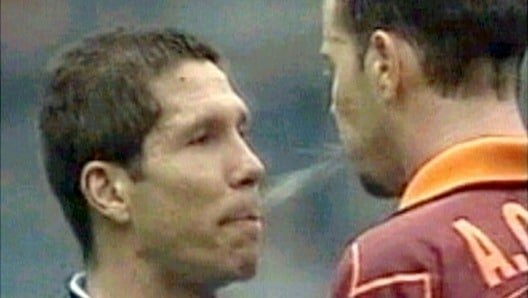
The former Roma defender reflects: “I see myself in Mancini—he’s tough and knows how to build plays. Me, a racist? Anyone who knows me knows that’s not true. Capello was a tough guy, Zeman saw the bigger picture, and Lucescu was a mentor in life.”
In Rome, they called him the Terminator because on the field he wasn’t one to shy away from a tackle—quite the opposite. But Antonio Carlos Zago was much more than just a “tough” defender. He played five seasons in the capital and was a key player in winning the 2001 Scudetto, while also racking up 37 appearances for the Seleção. He then pursued a career around the world—in Turkey, Japan, Spain, and Brazil—before becoming a coach. Zago has recently returned to Rome before heading back to São Paulo. But he made a promise: “I’ll come back to Italy as soon as I can; it’s my second home.”
It’s been 25 years since the last Scudetto. Could this be the right time for a fourth?
“Every year I hope this will be the year—it’s been too long. But I think it’s fair to dream this year. Now Gasperini needs to stay at the top until December; then, with two or three reinforcements, the goal is within reach, especially since I don’t see a clear favorite in the league. It’s all very evenly matched.”
When did your Roma team realize that the time was right to win?
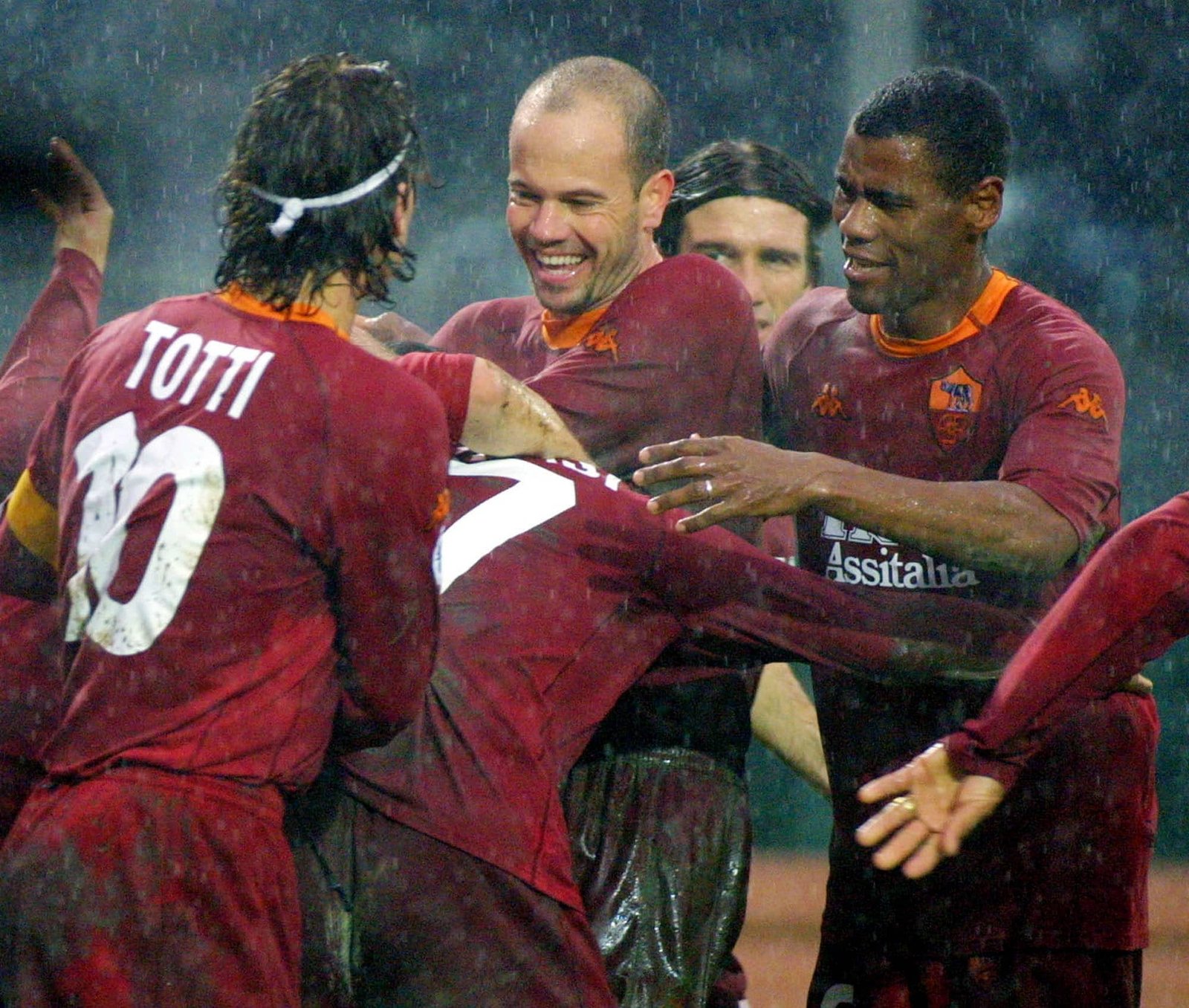
“When Batistuta arrived, we knew something was changing. Maybe the comeback win against Parma in the first half of the season was a bit of a turning point, but in reality, even before the season started, we felt we could achieve something great. Samuel and Emerson had also joined the team, Totti was constantly improving, and we had champions like Aldair, Cafu, Candela, and Montella. And then there was that unfortunate incident…”
Which one?
“Well, Lazio winning the Scudetto the year before. We hadn’t gotten over it; we wanted to put a smile back on our fans’ faces right away. That gave us an extra push.”
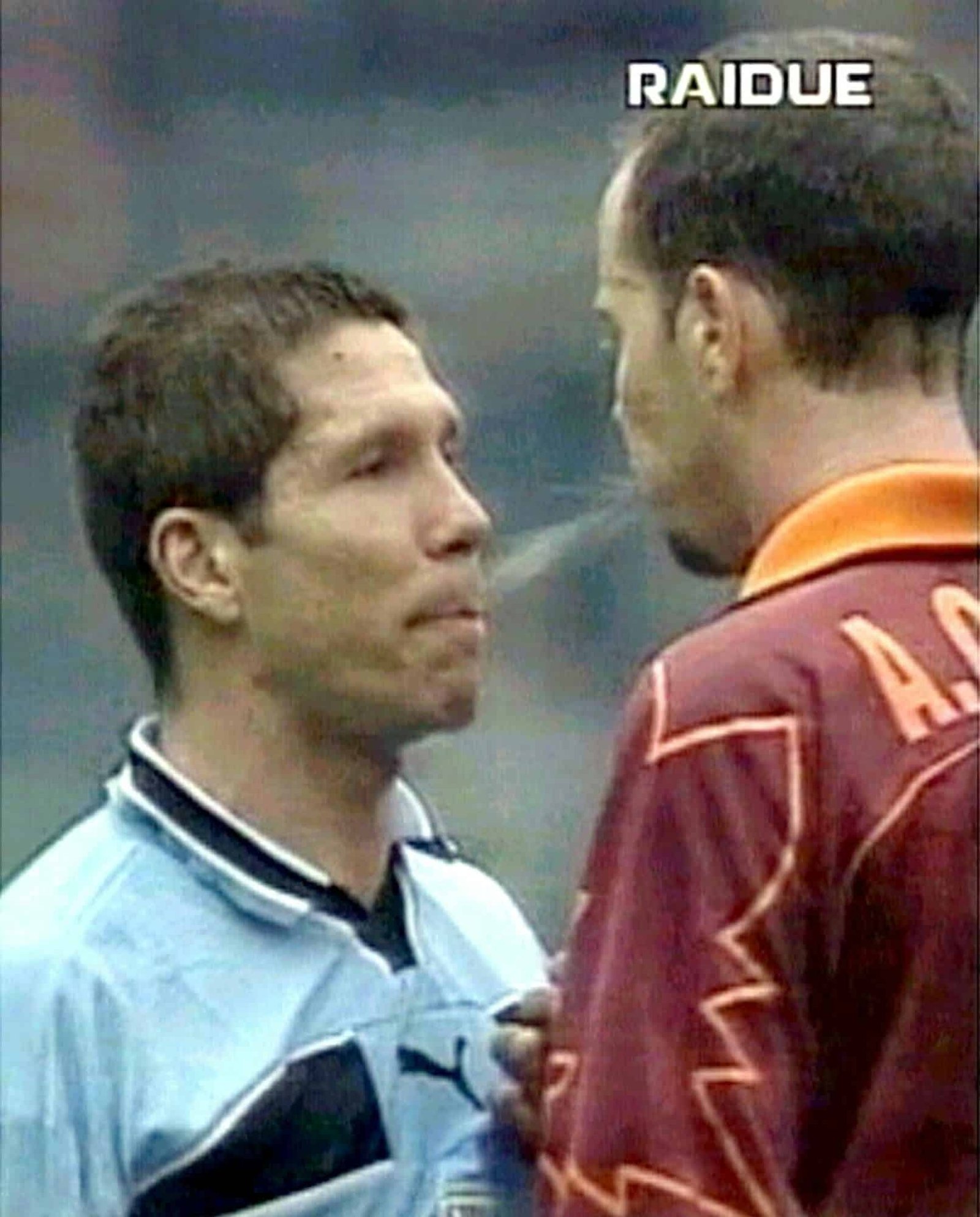
Looking back 26 years later, can you tell us exactly what happened with Simeone in the derby?
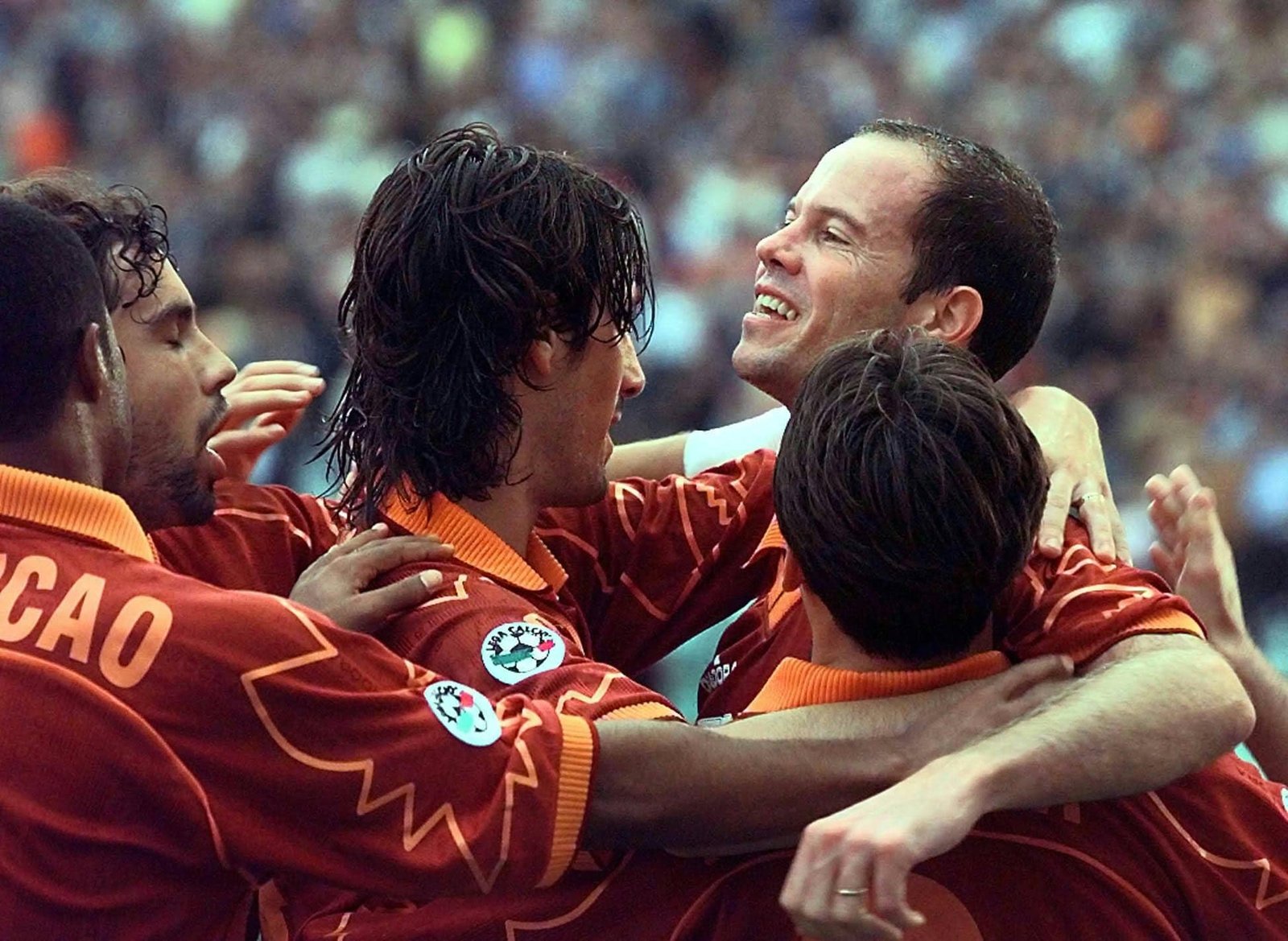
“He was provoking us and picking on Marcos Assunçao. By nature, I always rushed to defend my teammates; a fight broke out, and I did something that’s not like me. I know the fans still remember that spit as a fond memory, but for me, it’s not like that.”
Do you regret it?
“Absolutely yes—it was a terrible thing to do. At the time, I said I’d do it again, but today I don’t feel that way, even though instinct sometimes leads you to do things you wouldn’t want to. It’s happened to me other times, but anyone who knows me knows what kind of person I am.”
Are you referring to the racism accusation in Brazil in 2006?
“At that moment, I was beside myself; I wasn’t thinking about what I was saying. I’ve apologized many times—as if I were racist. My best friends are Aldair, Cafu, and Cesar Sampaio.”
You were instinctive but also had a playmaking ability uncommon for a defender—do you see yourself in any of today’s players?
“I’m seeing that kind of growth in Mancini. He has the right edge and also knows how to play the ball very well. I hope he can continue to grow, because in addition to being a great defender, he can become a great captain for Roma.”
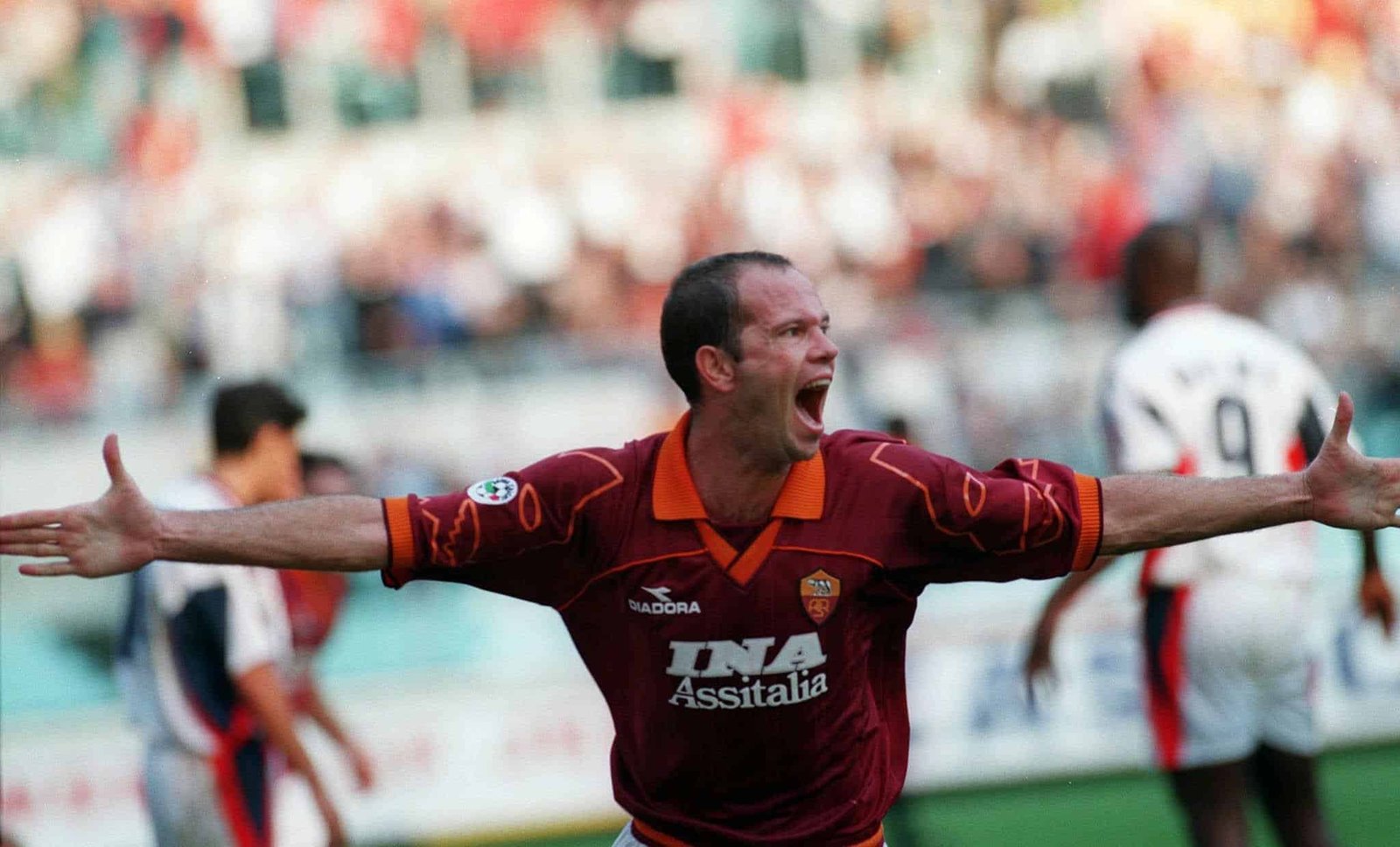
There were so many champions in that Serie A season. Which one made you the angriest?
“I was the one who made them the angriest. The toughest to mark was definitely Ronaldo ‘The Phenomenon’—I still have nightmares about that 4-5 loss at the Olimpico. He was unstoppable. Another player who caused us a lot of trouble was Shevchenko. But we had someone just as strong on our side. Obviously, I’m talking about Totti.”
By the way, is it true that he talked in his sleep and kept you up?
“Unfortunately, it’s true! When I arrived in my first year, they put me in a room with him, and for me, it was an honor. I accepted right away, of course. But at night he snored and talked loudly. Once he shouted, ‘Pass me the ball, pass me the ball.’ I went over to calm him down, and little by little he fell back into a normal sleep. But I wasn’t sleeping and wanted to rest, so I asked to switch rooms. Starting the following year, Totti slept alone.”
Regrets?
“None at all with Roma, really. I couldn’t wait to be at Trigoria—we were a magnificent group. We’d even get together for dinner, birthdays, and vacations. With Brazil, definitely not winning the World Cup. In 1994, I suffered a facial injury—four fractures to my cheekbone—and that cost me my chance. In 1998, Zagallo decided not to call me up, and in 2002, I lost my dad and went through a difficult time.”
Five years at Roma, then you traveled the world. Why didn’t you ever stay in one place for very long?
“Actually, I wanted to play for Roma for the rest of my life—there’s never been a place in the world where I felt as at home as I did there. Unfortunately, in 2002 they decided not to renew my contract; I never understood why. Then I learned about many different cultures—Japanese culture is a great source of inspiration for the way they organize everything.”
Zeman, Capello, and Lucescu. Can you give us one adjective for each of them?
“Zeman was someone who knew how to look beyond the obvious. I’ve never seen anyone coach the offensive phase the way he did. Capello was tough, but he also knew how to manage a group of strong individual players. Lucescu is a master. I worked with him for two years at Shakhtar. The young players who arrived—especially those from Brazil—were afraid of him at first, but in addition to teaching them soccer, he taught them how to live. All—and I mean all—the players he’s coached still send him messages to this day; they call him if they have problems.”
You’ve coached many teams, including a national team like Bolivia. Is it easier to be a player or a coach?
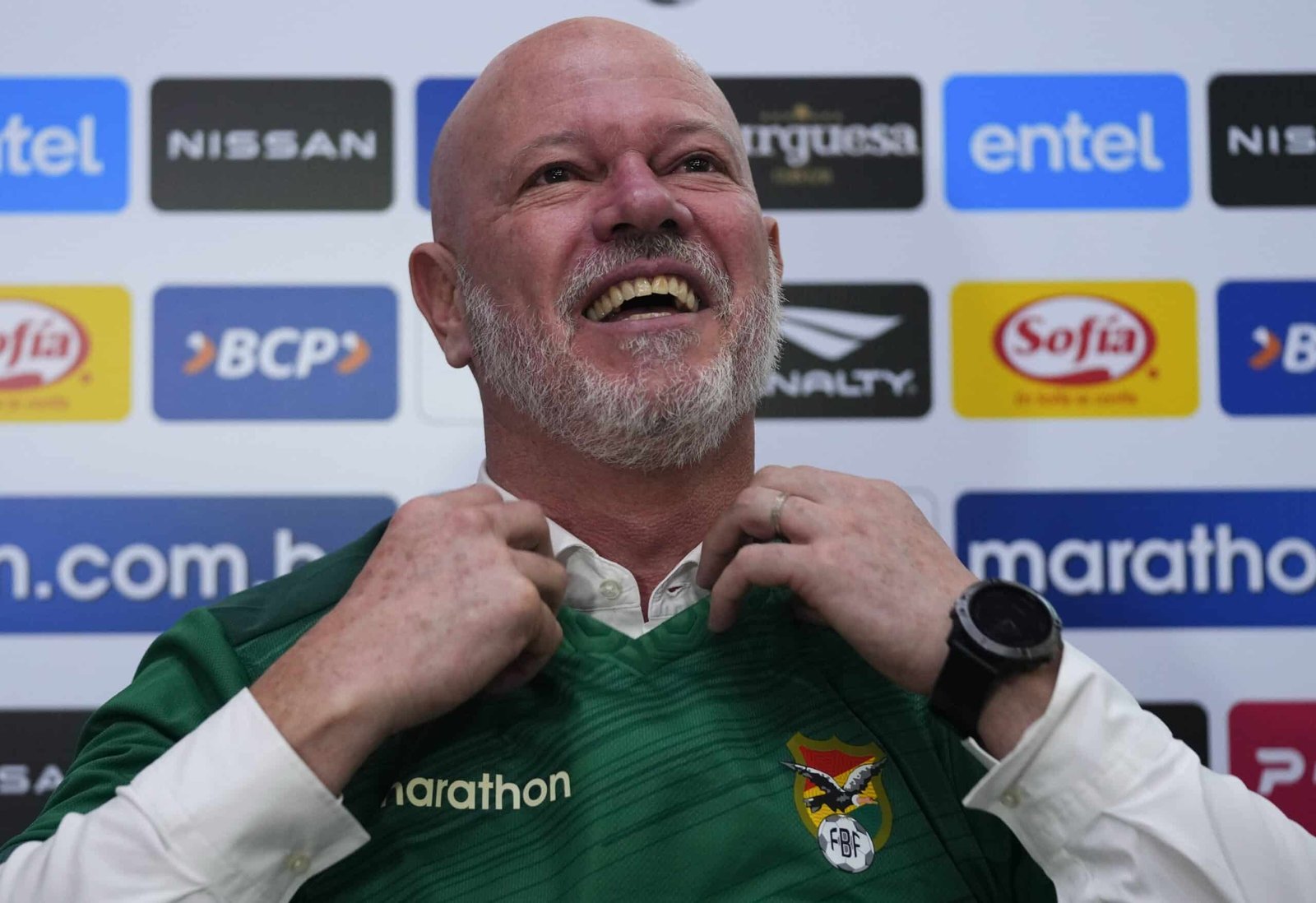
“There’s no comparison—it’s better to be a player. As a coach, you have to manage 25 people, each with their own personality, their own pace, and their own style on the field. Every time, you have to find the right approach; sometimes it works, other times it doesn’t.”
Ancelotti is now at the helm of Brazil—is he the right man for the job?
“He’s the best coach in the world. I’m convinced that with him, Brazil will win the World Cup—I don’t know if it’ll be the next one or the one in 2030—but no one is better equipped to do it than him. The Seleção is going through a rough patch, just like Italy, which has to qualify for the World Cup at all costs.”
Do you have any doubts after the loss to Norway?
“What surprises me, as a former defender and Italy fan, is the inability to protect the lead. The Azzurri have been famous for this for decades; I don’t understand what has changed. It’s not a lack of talent but a change in mentality.”