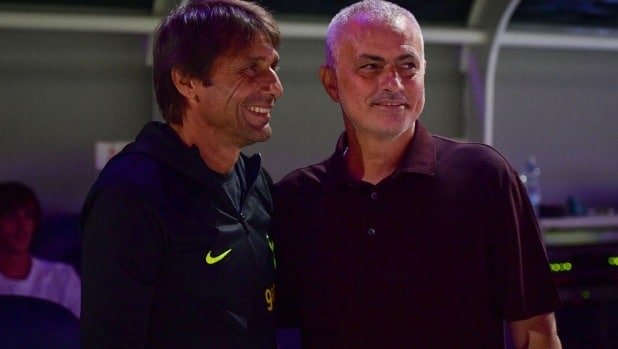
Lele reunites with the Portuguese coach in the Benfica-Napoli Champions League match: “He calls me Gabriele, just like my mother. We’re rivals, but never enemies”
In half a century, it can’t be just about soccer: and in this life as a midfielder (but a classy one) that Lele Oriali has lived—55 years since his debut—feelings gently intertwine, resonating beyond convention. Lisbon with Benfica vs. Napoli is a trigger, embodying the vibrations of an era, the echoes of memory, and that dazzling two-year stretch at Inter with José Mourinho that burns now and forever, because there are encounters that remain special (one).
To meet and say…?
“Smile. Hug. Remember. There are matches unlike any others: I’d never want to play those against Inter; and these with Mourinho always leave something behind.”
To José, you’re not Lele but Gabriele.
“Two people call me Gabriele: my mother and José. I don’t know why—he likes it, and I like it too. To everyone else, I’m Lele—whether it’s friendly, familiar, or not.”
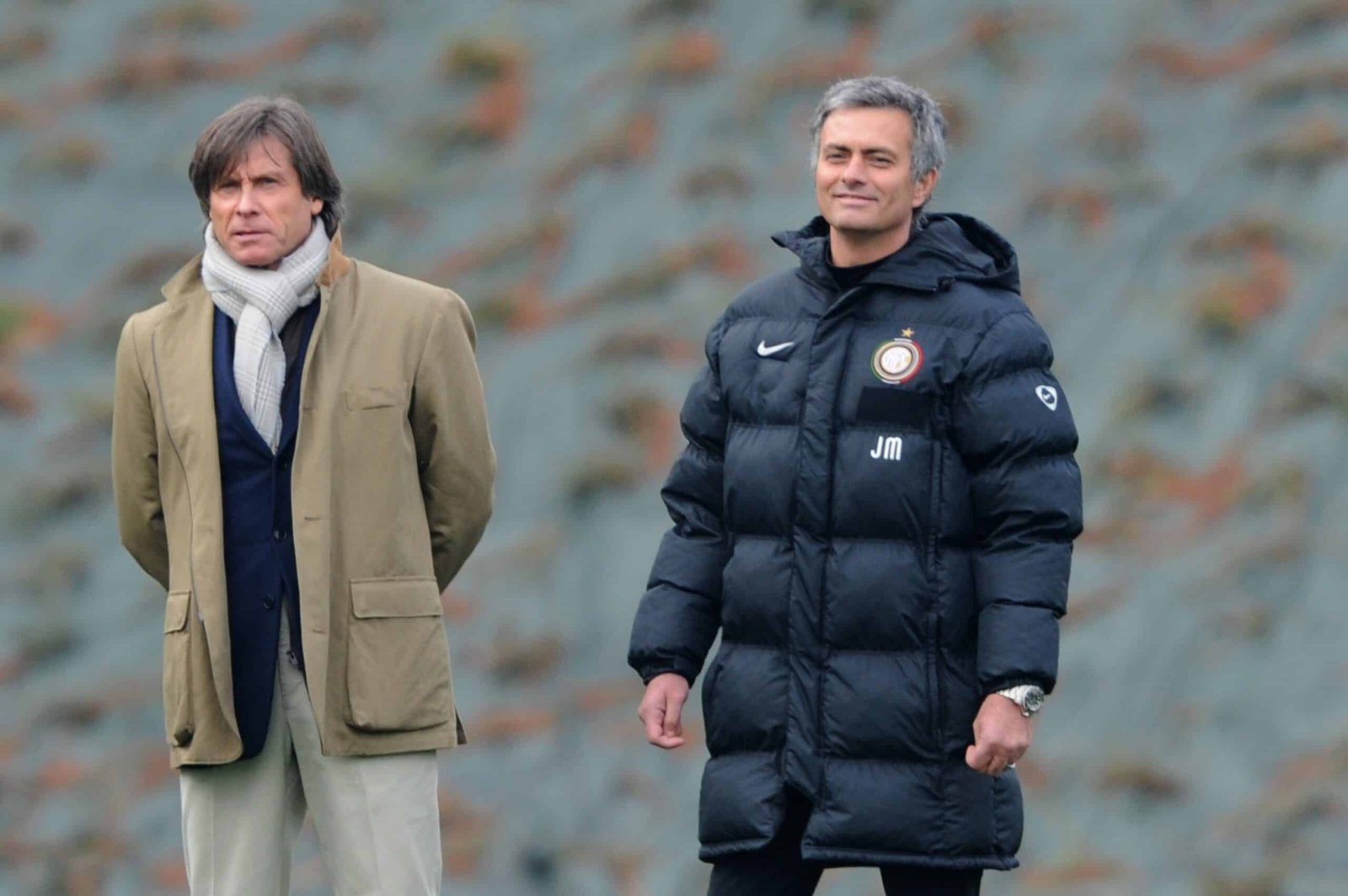
Madrid, May 12, 2010.
“You’re reaching one of the high points of your career; the Champions League is everyone’s dream. That year, Inter managed the feat of winning the Treble. But I knew it…“
What hidden powers did he have to foresee the triumph?
”Rumors of José’s departure had been circulating in the papers for a couple of months. He and I had an extraordinary relationship, just as I now have with Conte, but certain topics remain off-limits—it’s a matter of the sacred respect one owes. And one evening, without breaching confidentiality, we found ourselves talking about it.”
So, he confessed?
“No, we were discussing what we’d read. I threw out a joke—‘You know, if you leave, they’ll fire me’—and he was calm, in complete control of the moment: ‘Gabriele, don’t think about what will be. Here, we’re making history, and we’ll succeed.’ He kept his promise.”
Lisbon will be a trap….
“A fantastic stadium for Benfica and a hellish one for us and any opponent. He always knows where to turn to overcome difficulties. I can already picture him, strategizing after analyzing us.”
The inevitable question: Mourinho and Conte, so different yet so similar, both driven by the desire to hear “the sounds of their enemies” and defeat them.
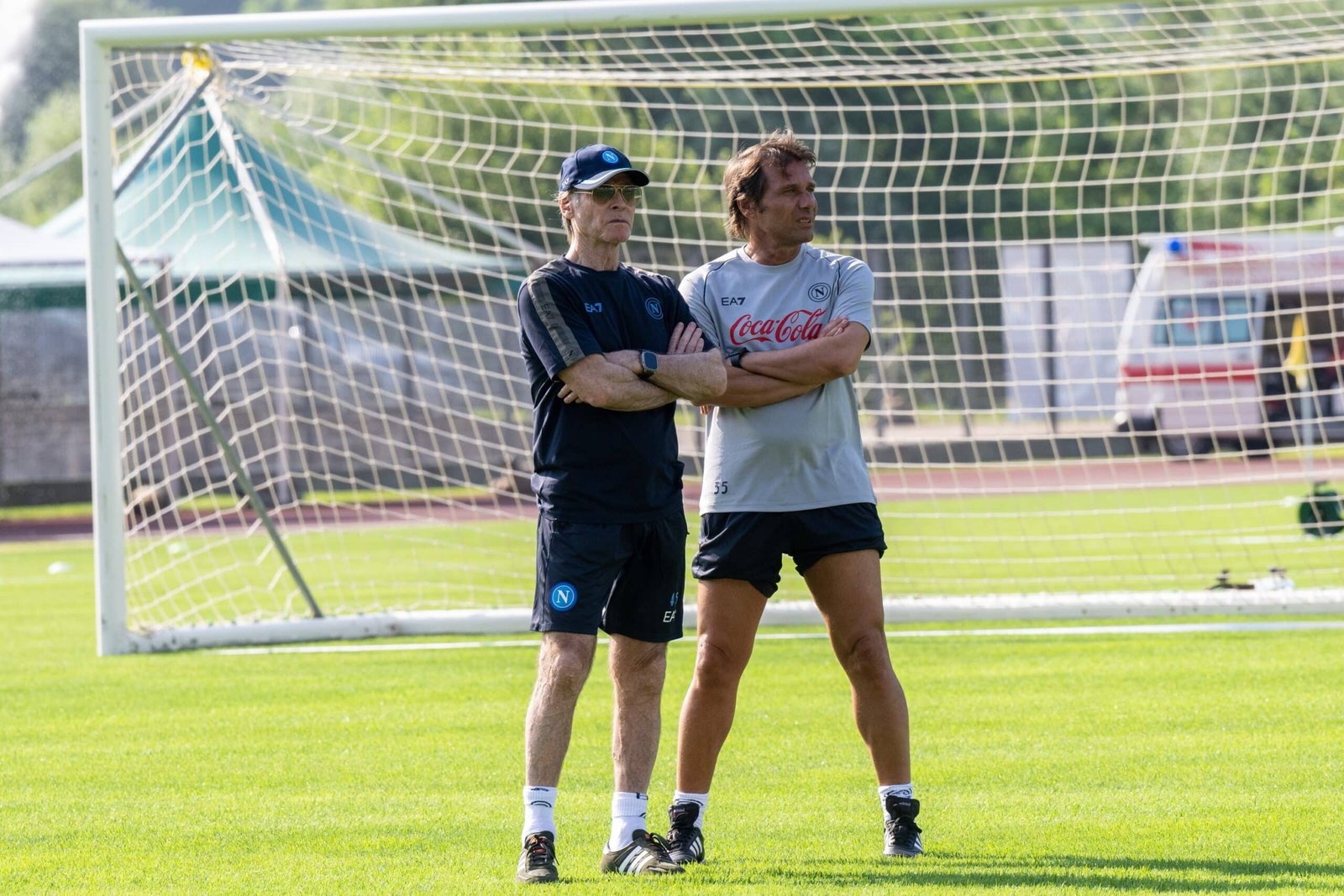
“We’re talking about top-class figures on the bench. Coaches who know how to shape their teams to the point of capturing their very soul: for Mourinho and Conte, players would walk through fire—and that’s no figure of speech. This is evident in both men’s careers and the testimonies of those who’ve been coached by them. Beneath the coaches lie strong human values. They’re ‘beyond,’ believe me.”
Dominant personalities, not easy to handle.
“Less difficult than it seems. Character is a gift for those who have it, and both Mou and Conte put it at the disposal of their clubs and teams.”
You’ve won everywhere and in every role: would you say—even if I’m playing psychologist here—
“I identify with that description. I bring my experience with me; at my age, I know when to stay silent and when to speak, and what to say. Let’s say I reflect off the field what I was on it: a stabilizing force.”
Mou leaves and Oriali goes too; Conte leaves and Oriali has to say goodbye as well: is that the fate of someone deeply tied to a coach?
“I don’t know! I would have stayed; Inter is my second skin. I don’t count the successes of my various careers—as a player, as a sporting director or general manager, or as an executive—but I know that with Inter I won eight of the ten league titles that earned us the second star. You decide!”
Tell us, instead, your personal ranking of your greatest joys…
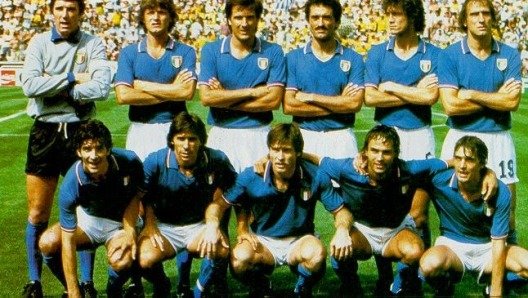
“First off: the 1982 World Cup and the European Championship with Mancini’s national team are in a league of their own. But it’s easy for me to put together my top three: first place, Inter’s 1971 Scudetto—I was little more than a child. Then the Treble, for so many personal reasons. And third, last year’s title in Naples, where Antonio made an impossible dream come true. And I think back to the parade, the colors and scents of the city, the daily life with these wonderful people.“
You arrived in Naples after a family reunion.
”Antonio called me and said: ‘Come on, come over.’ I’m over 70; I’ve always been at home. In Florence, I had them with me; from Parma, I’d come back almost every evening; from Bologna, I’d be home in two and a half hours. It feels like too much of a break from them. So I called my wife and daughters together, explained, and asked, ‘What should I do?’ They put my suitcases right outside the door.”
And they’re the ones moving…
“One of my daughters left yesterday. I have four grandchildren; I feel the need to be with them. But Naples, as a resident who lives here, has been an extraordinary discovery. Being here is fantastic.”
Madrid will be his favorite city, and the Bernabéu is somewhat his favorite stadium.
“The final against West Germany, the one against Bayern—two epic moments. I’ll tell you something: before the match against Brazil, Bearzot—not just a gentleman but a scholar—called me and Gentile over. He assigned Zico to me and gave Eder to Claudio. I spent two days watching everything I could about Zico, and then, as we were heading out onto the field, he came over to the two of us: ‘I’ve had a second thought, I’ve been observing—what do you say if we switch?’
What will you do tonight with Mourinho? Will you be in touch?
“Not even a text message. We’ll run into each other at the stadium, right there, and we’ll be able to communicate with our eyes and glances. We’ve faced each other as opponents before, but never as enemies.”